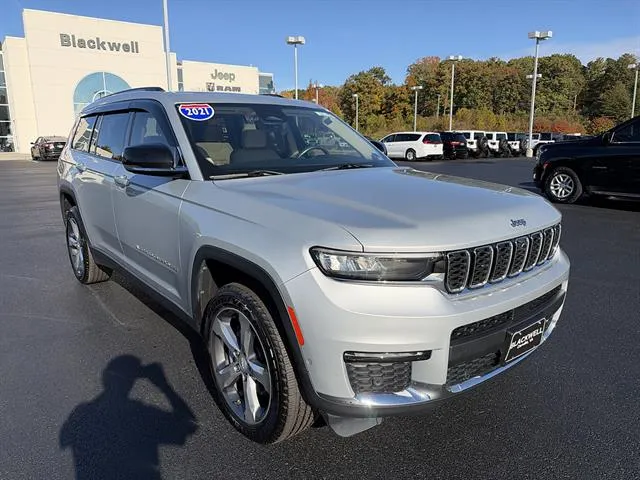
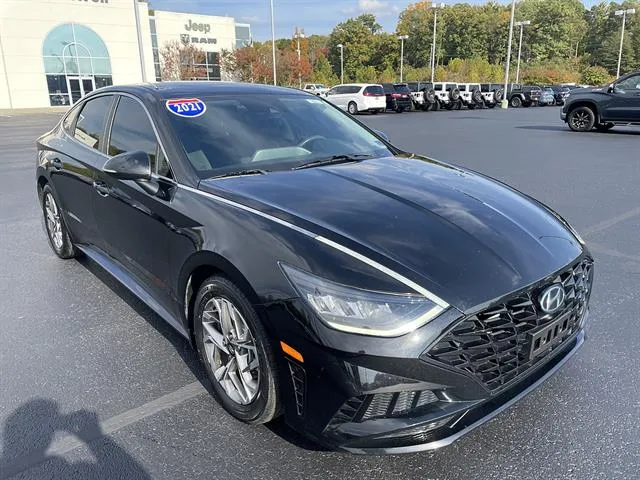
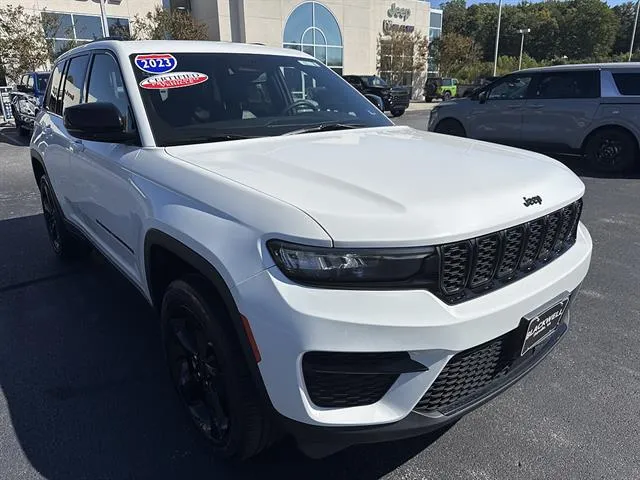
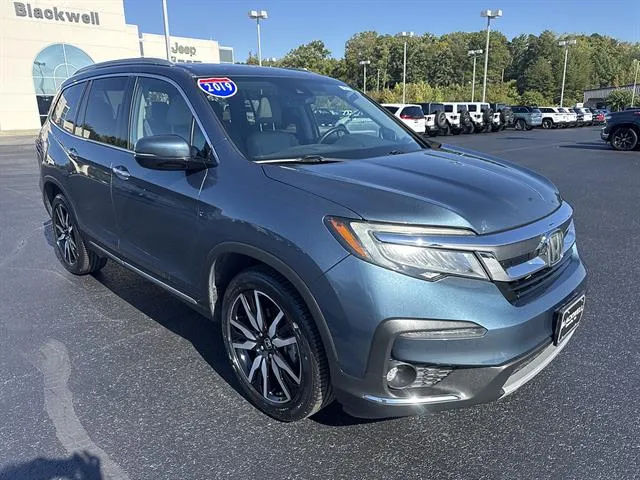
Smart shoppers research Kelley Blue Book pricing, check Edmunds or Cars.com listings, and pull a CARFAX vehicle history report before they ever step onto the lot at Blackwell Chrysler Dodge Jeep Ram Fiat on Riverside Drive in Danville, Virginia. That simple homework pays off the moment negotiations start. A buyer who already knows a vehicle's fair market value can speak with confidence instead of relying on guesswork, turning what feels like an intimidating process into a straightforward, transparent conversation.
Blackwell Automotive has served Danville families for more than 86 years, and that family-owned history shapes a low-pressure environment where negotiation feels like a conversation, not a contest. Buyers are welcome to bring comparable listings, ask for a vehicle history report, and raise questions about trade-in value, financing terms, or final price adjustments. The team on Riverside Drive works through each point openly, so nothing about the deal feels rushed or unclear.
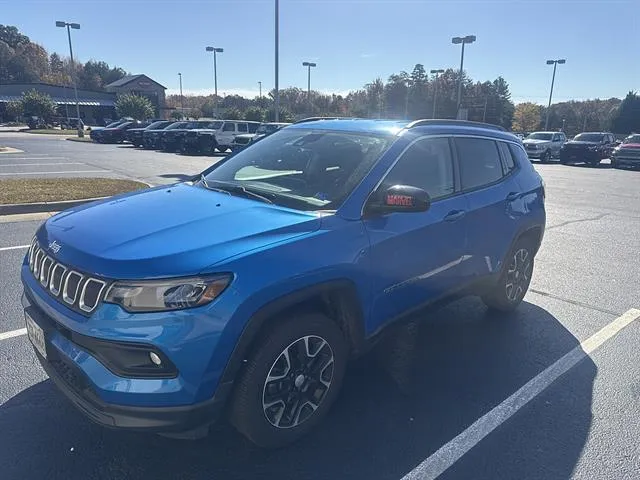
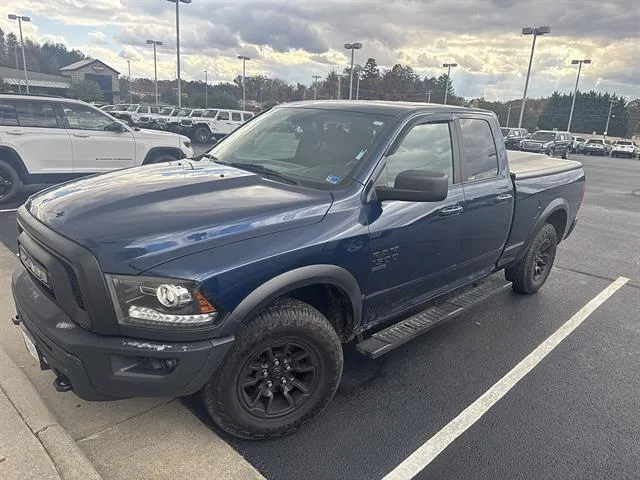
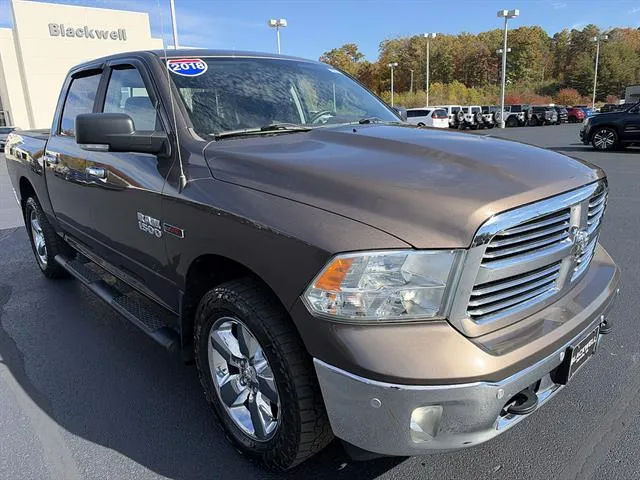
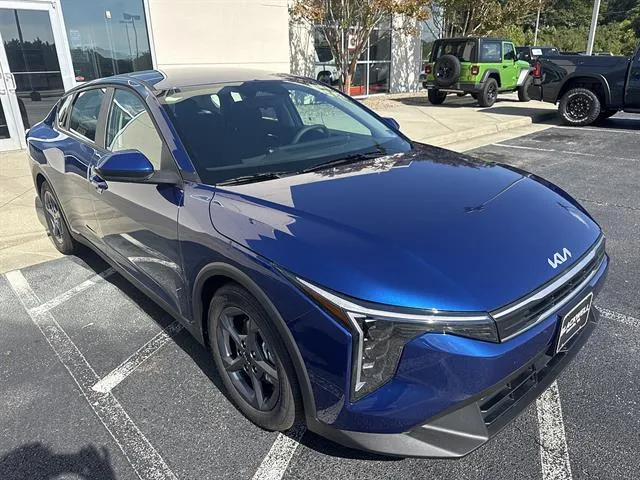
Negotiating a used car price well comes down to three things: knowing the vehicle's history, understanding its market value, and knowing whether a dealership prices with a one-low-price policy or leaves room for back-and-forth. Blackwell Chrysler Dodge Jeep Ram Fiat keeps a rotating lineup of certified pre-owned and used vehicles, Chrysler, Dodge, Jeep, Ram, and Fiat models alike, giving Danville-area shoppers real comparison points before they sit down to talk trade-in value, financing, and final pricing with the sales team.
Why Is Negotiating a Used Car Price So Important?
Negotiating a used car price matters because the gap between a fair deal and an overpriced one directly affects a buyer's long-term financial confidence. Buying used is a smart financial decision, but only if the buyer trusts the dealership behind the sale. Without that trust, a low price can hide costly problems, and a high price can quietly drain value from the purchase.
A used sedan, pickup, or SUV is rarely a small purchase. Whether a buyer is eyeing a Jeep Grand Cherokee, a Ram 1500, or a Chrysler Pacifica on the Blackwell lot, the final number affects monthly payments, ongoing protection, and resale value years down the road. Factoring in quotes from trusted car insurance resources early on also gives buyers a complete picture of total ownership costs. Negotiating isn't about squeezing a dealership for every last dollar; it's about making sure the price matches the vehicle's real condition and the current Danville market.
What happens when a buyer skips the negotiation?
Skipping price negotiation leaves the buyer without leverage. The dealership's mission is to provide a positive, transparent, and safe environment where customers find the perfect vehicle to fit their needs and budget. A buyer who does not engage in the process misses the chance to confirm that the listed price aligns with that mission, and may end up paying for a markup, an add-on package, or a financing term that never gets questioned. The result is uncertainty about whether the vehicle represents real value, and that uncertainty tends to linger well past the day the paperwork is signed.
How does a family-owned dealership change the experience?
For more than 86 years, Blackwell Automotive Inc. has proudly served Danville, Virginia, and advocates for customers every step of the way. The team is friendly and knowledgeable, guiding customers through each decision with confidence and care. That long history means the dealership's reputation depends on fair negotiations, not just a single sale. A dealership that plans to serve the same community for generations has every reason to treat each negotiation honestly, because word travels fast in a market the size of Danville. Buyers who negotiate with a trusted local dealer gain both a better price and peace of mind.
- Research vehicle values before visiting the lot to understand a realistic price range.
- Ask about certified pre-owned options that include valuable warranty protection and rigorous vehicle inspection coverage.
- Request an itemized price breakdown to clearly see where every dollar of the total goes.
What Research Should You Do Before Negotiating?
Doing your own research is vital before a used car negotiation. A buyer who walks onto the lot without data walks in at a disadvantage. Preparation turns an emotional purchase into a calculated one, and that shift in mindset is often what separates a good deal from an average one.
How do you find a fair price for a specific model?
Websites like Cars.com, Edmunds, and Kelley Blue Book provide clear benchmarks. These resources show what a fair price range looks like for a specific year, make, and trim level, whether that's a Dodge Durango, a Jeep Wrangler, or a Ram ProMaster cargo van. Buyers can compare listings side by side without leaving home, and many of these sites also flag whether a listed price runs above or below the regional average.
What factors affect the car's actual value?
Mileage, condition, features, and optional packages shift the price up or down. A car with 30,000 miles commands a different price than the same model with 80,000 miles. The same logic applies to cosmetic wear, service history, and add-ons like a sunroof, navigation system, or towing package. A clean CARFAX report with no accident history also supports a stronger asking price, while a vehicle with open recalls or a salvage title should sell for considerably less.
Beyond the sticker, shoppers should research what others in the area actually paid. Local market data matters more than national averages. A car priced fairly in Richmond may be overpriced in Danville, since regional demand, local inventory, and even seasonal factors all shift what a fair number looks like in Southside Virginia.
Organize findings into a simple comparison:
| Research Step | What It Reveals |
|---|---|
| Online price check (KBB, Edmunds) | Fair market range for that model |
| Local listing scan | Actual prices nearby |
| Condition and mileage review | Value adjustments needed |
Real price data removes the guesswork. A buyer who knows the numbers negotiates from a position of strength, not hope. Here is a quick checklist worth running through before setting foot on any lot:
- Pull a CARFAX or AutoCheck vehicle history report for the exact VIN.
- Compare at least three listings for the same year, make, and trim.
- Check the local Danville market, not just national averages.
- Note any factory warranty or certified pre-owned coverage still in effect.
- Write down a target "out-the-door" number before starting the conversation.
How Can You Get the Best Deal at the Dealership?
The best way to negotiate a car's price is to gather multiple offers from dealerships and use the lowest one as leverage, either to improve the discount or to match the sale price at a location closer to home. This approach works because it creates healthy competition without the stress of a heated back-and-forth. Shoppers who skip this step often leave hundreds of dollars on the table, money that could just as easily cover a few months of payments or insurance.
Research is the foundation of any successful negotiation. Dealer websites may only list the manufacturer's suggested retail price (MSRP), so it's worth contacting the dealer directly to confirm whether any markups or dealer-added accessories are baked into that number. A quick phone call or email reveals the true price before a buyer ever steps onto the lot, and that single step prevents surprise costs from derailing an otherwise solid deal.
Multiple offers give the buyer leverage. Here is how the process works in practice:
- Gather quotes from at least three dealerships for the same make and model
- Compare the out-the-door prices, not just the sticker figures
- Share the lowest offer with the other dealers and ask them to beat it
- Use the final match to buy locally, saving time and travel costs
What Should You Research Before Visiting the Dealership?
Understanding the fair market value of a used car puts the buyer in control before the conversation even starts. Research tools show what similar vehicles actually sell for in the Danville area, which sets a realistic target price. Buyers who walk in with this data signal that they are informed, and that alone often softens the initial asking price.
Before negotiating terms in person, evaluate your loan structure by testing different down payments and interest rates on an interactive payment calculator to discover exactly where your monthly payments will land.
How Do You Know If You Have a Good Deal?
A good deal is one that falls at or below the average market price for that specific vehicle's age, mileage, and condition. If the dealership's offer matches the lowest quote received from another location, that is a fair deal. If the dealer beats that quote, the buyer has secured a genuine win. The goal is not to drain every dollar of profit, but to pay a fair price without the lingering worry that a better offer existed elsewhere.
A simple way to judge where an offer stands:
| Signal | What It Means |
|---|---|
| Offer matches your researched market range | A solid, fair deal |
| Offer matches or beats a competing dealer's quote | A strong deal worth taking |
| Offer sits well above comparable local listings | Worth another round of negotiation |
| Dealer won't itemize fees or add-ons | Ask for a full breakdown before agreeing |
To eliminate financing guesswork and speed up the showroom process, submit an online credit application prior to your visit to secure competitive financing terms tailored to your budget.
Frequently Asked Questions
Is it still possible to negotiate the price of a used car?
Yes. Most dealerships, including Blackwell Chrysler Dodge Jeep Ram Fiat, expect some back-and-forth on a used vehicle's price. Coming prepared with Kelley Blue Book or Edmunds data, a CARFAX report, and at least one competing quote gives a buyer real room to negotiate confidently.
What is a reasonable amount to negotiate off a used car?
There's no single fixed percentage, since it depends on the vehicle's condition, mileage, and how it's already priced against the local Danville market. A buyer who has researched comparable listings usually has a realistic target range in mind before the conversation even starts.
Should I get a vehicle history report before negotiating?
Yes. A CARFAX or AutoCheck report shows accident history, title status, and service records, all of which affect fair value. A clean report supports the dealership's asking price, while a rougher history is a reasonable basis for a lower offer.
Does trade-in value affect the negotiation on a used car?
It can. Many buyers negotiate the price of the used vehicle and the trade-in value separately, then look at the final out-the-door number. Blackwell's team walks customers through trade-in value, financing terms, and price adjustments so each piece stays transparent.
Why buy a used car from a family-owned dealership like Blackwell?
Blackwell Automotive has served Danville, Virginia for more than 86 years, which means its reputation depends on treating every negotiation fairly, not just closing one sale. That track record gives buyers a low-pressure environment and a team genuinely invested in a fair outcome.
Final Thoughts
In closing, negotiating a used car price requires preparation, confidence, and realistic expectations grounded in market research. At Blackwell Chrysler Dodge Jeep Ram Fiat, our team understands that purchasing a vehicle represents a significant decision for your family. We bring decades of integrity and expertise to every conversation, ensuring you feel informed and respected throughout the process. When you work with a dealership committed to honest dealings and customer satisfaction, you gain a partner invested in finding the right vehicle at a fair price, not just closing a sale.