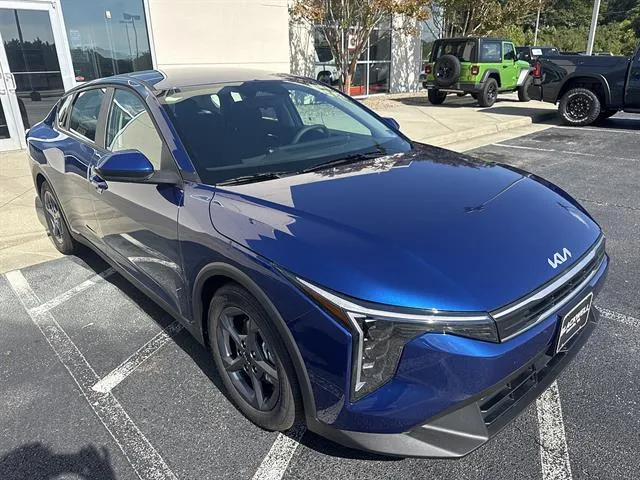
Buying a pre-owned vehicle is one of the smartest moves a driver can make. It sidesteps the steep first-year depreciation that hits new cars hardest, while still handing you a reliable, modern ride at a price that actually makes sense for your budget. You get the technology, the comfort, and the capability of a newer vehicle without paying the premium that comes with driving it off the lot brand new. For a lot of families in Southside Virginia, that math is exactly what makes a used vehicle the more sensible choice — more car, less debt, and a payment that leaves room to breathe.
That said, the money you saved at the time of purchase is only half the story. What happens after you buy the car is what really determines whether it turns into years of dependable transportation or a string of surprise repair bills. Keeping up with routine service is the single biggest factor in protecting that investment and holding onto its resale value down the road. Think of maintenance less as a chore and more as an ongoing conversation with your car — the more attention you pay along the way, the fewer surprises it hands you later.
Whether you're looking for practical used car maintenance tips for drivers in Danville, VA, curious about what used car owners need to know about maintenance for long-term reliability, or just want an easy-to-follow pre-owned car maintenance checklist, this guide walks you through it all — in plain language, with no guesswork required.
Why Maintenance Matters Even More for Pre-Owned Cars
New cars roll off the lot with a factory maintenance schedule and a warranty to fall back on if something goes wrong. A pre-owned vehicle asks a little more of its owner. Every used car carries its own history — different driving habits, different climates, different levels of care from whoever owned it before you — and all of that shapes the condition it's in today. You may not know exactly how the previous owner treated it, which is exactly why picking up good habits now matters so much. Consider it a clean slate: from the day you take ownership, every mile and every service decision is entirely in your hands.
That responsibility can feel like a bit of an unknown at first, especially if you didn't buy the car brand new and can't be completely certain how it was cared for early on. The good news is that a used car isn't a mystery you have to solve alone. A little consistency — checking fluids, watching for warning signs, sticking to a service rhythm — closes that gap fast and puts you back in control of the car's future, regardless of its past.
Staying ahead of routine service pays off in some very real, tangible ways:
- Prevents Costly Mechanical Failures: Replacing a $20 air filter or a $50 belt today can prevent a $2,000 engine or cooling system overhaul down the road. Small parts fail small; ignored, they tend to take bigger, more expensive components down with them. A car rarely breaks down all at once — it usually sends a few quiet warnings first, and routine maintenance is how you actually hear them.
- Protects Your Vehicle's Equity: If you decide to trade in your car later at Blackwell Autos, having a complete maintenance history directly boosts your trade-in appraisal. Buyers and appraisers alike trust a car with paperwork behind it, because a stack of service records tells a story a clean-looking dashboard never can.
- Ensures Daily Road Safety: Regular checks on brakes, tires, and suspension components keep you and your passengers safe in all driving conditions, from a quick trip across town to a long highway haul. Safety systems only work as well as the maintenance behind them, so this is one area where staying ahead really does matter.
- Maximizes Fuel Efficiency: Clean filters, fresh oil, and properly inflated tires keep your engine working at peak efficiency, which means fewer trips to the gas station and more money staying in your pocket. Over a year of daily driving, those small efficiencies genuinely add up.
The Essential Pre-Owned Car Maintenance Checklist
Keeping your vehicle in top shape is a lot easier once you stop thinking of it as one big job and start breaking it down into manageable chunks of time. Bookmark this checklist and come back to it throughout the year — a few minutes of attention now saves hours of hassle later. Nobody wants to spend a Saturday afternoon at a repair shop that could have been avoided with a five-minute check the month before.
| Service Interval | Maintenance Task | Why It Matters |
|---|---|---|
| Every Month | Check tire pressure & tread depth | Prevents uneven tire wear and maximizes fuel economy. |
| Check engine oil & washer fluid levels | Prevents engine friction damage and ensures clear visibility. | |
| Every 5,000 to 7,500 Miles | Change engine oil & filter | Lubricates internal engine components and removes harmful sludge. |
| Rotate tires | Ensures even tread wear across all four tires. | |
| Inspect brake pads & rotors | Catches brake wear early before rotors get scored. | |
| Every 15,000 to 30,000 Miles | Replace cabin & engine air filters | Keeps engine combustion clean and interior air fresh. |
| Inspect battery terminals & voltage | Prevents unexpected dead batteries and starting issues. | |
| Check steering & suspension components | Maintains tight handling and smooth ride quality. | |
| Every 50,000 to 60,000+ Miles | Flush transmission & cooling fluids | Protects major powertrain systems from overheating and excessive wear. |
| Inspect or replace spark plugs & belts | Prevents engine misfires and snapped serpentine belts. |
*Note: This checklist provides general guidelines for vehicle care. Always refer to your specific vehicle's owner's manual for manufacturer-recommended maintenance intervals and specifications.*
Core Maintenance Pillars Every Used Car Owner Must Master
1. Engine Oil and Filter Changes
Engine oil is what keeps everything inside your engine moving the way it should. It lubricates the moving parts, cuts down on friction, and carries heat away from places where that heat could otherwise do real damage. Over time, though, heat and grime break that oil down into a thick sludge, and an engine running on sludge is an engine working a lot harder than it should have to. Skip enough oil changes, and you're not just risking a warning light — you're risking the kind of internal wear that shortens an engine's entire lifespan.
- Conventional Oil: Typically needs replacing every 3,000 to 5,000 miles.
- Full Synthetic Oil: Offers superior protection and lasts 7,500 to 10,000 miles (or once a year, whichever comes first).
Pro Tip: Always check your oil level on a level surface using the dipstick at least once a month. It only takes a minute, and it can catch a problem long before a warning light ever does. Make it a habit tied to something else you already do regularly, like filling up on gas, and you'll never have to think twice about remembering it.
2. Tire Care, Pressure, and Alignment
Your tires are the only part of the car actually touching the road, so their condition matters more than most drivers realize. Worn or underinflated tires aren't just a safety risk — they'll also quietly drain your gas mileage and throw off your suspension alignment without you ever noticing until the tread is already gone. By the time a tire looks obviously worn to the eye, it's usually been costing you money and grip for months.
- Tire Rotations: Front tires wear out faster than rear tires because they handle steering and front-wheel braking force. Rotate your tires every 5,000 to 7,500 miles to distribute wear evenly and get the most life out of a set.
- Pressure Checks: Check your tire pressure monthly when the tires are cold. Look for the recommended PSI on the sticker inside your driver's side door jamb, not the max PSI stamped on the tire sidewall — those are two very different numbers, and mixing them up is one of the most common mistakes drivers make.
- Alignment: If your car pulls to one side or the steering wheel vibrates at highway speeds, get a wheel alignment checked. Catching it early prevents rapid, uneven tread wear that can force you into a new set of tires well before you should need one.
3. Brake System Maintenance
Brakes wear down slowly, which makes it easy to put off dealing with them until the warning signs are impossible to ignore. Pay attention to what your car is telling you — watch and listen for these symptoms:
- Squealing or grinding noises when applying pressure.
- A spongy or soft brake pedal feel.
- Steering wheel vibration during hard stops.
Catching worn brake pads early is a cheap, straightforward fix. Wait too long, though, and the metal backing plates start grinding against the rotors, turning what should have been a simple pad swap into a much bigger — and much pricier — repair. If you are doing the job yourself, sourcing genuine components through an established parts department ensures the pads, rotors, and hardware meet exact factory specifications.
4. Fluid Services (Transmission, Coolant, Brake, and Power Steering)
Engine oil tends to get all the attention, but your car actually depends on a handful of other fluids working quietly behind the scenes to keep everything running the way it should. Each one has a specific job, and each one wears out or breaks down on its own timeline.
- Coolant (Antifreeze): Prevents your engine from overheating in the summer and freezing in the winter. Coolant flushes are typically recommended every 50,000 to 100,000 miles.
- Transmission Fluid: Keeps gear shifts smooth and absorbs internal heat. Ignore it long enough, and you're looking at costly slipping gears or a transmission that needs to be rebuilt entirely.
- Brake Fluid: Absorbs moisture over time, which reduces braking efficiency exactly when you need it most. Flush your brake fluid every 2 to 3 years to keep your braking system performing the way it's supposed to.
For DIY owners replacing belts, filters, or specialty fluids at home, you can submit an inquiry to order parts online to match factory-approved specifications for your vehicle's exact make and trim.
Local Driving Factors: Used Car Maintenance Tips in Danville, VA
Danville, VA, and the rest of Southside Virginia bring their own mix of weather and road conditions, and all of it leaves a mark on your vehicle over time. Maintenance advice that works everywhere is a good starting point, but the local climate and roads add a few wrinkles worth knowing about.
- Seasonal Temperature Swings: Danville experiences hot, humid summers and freezing winter nights. Extreme temperature swings put extra stress on car batteries, tire rubber, and serpentine belts. Get your battery tested before winter arrives, so you're not the one stuck in a parking lot on a cold morning.
- Potholes and Rural Roads: Navigating country roads or seasonal potholes can knock your wheels out of alignment or damage shocks and struts without any obvious warning. Have your suspension inspected annually so small issues don't turn into a rough, unpredictable ride.
- Pollen and Dust: Spring in Virginia brings heavy pollen falls that can clog up your cabin air filter fast. Check it every spring to make sure your AC system keeps delivering clean, allergen-free air on the drive to work.
The Pre-Owned Maintenance Action Plan
Here's a simple way to stay on top of your vehicle's health without it turning into a chore:
- Step 1: Check Your Schedule — Consult your owner's manual for manufacturer-recommended service milestones, and keep it somewhere you'll actually remember to look.
- Step 2: Inspect Key Systems — Perform a quick 5-minute visual check of tire pressure, oil levels, and lights every month. It becomes second nature after a while.
- Step 3: Schedule Service — Partner with a trusted team like the Blackwell Autos service department for routine oil changes, tire rotations, and multi-point inspections. You can easily schedule service online to book a time that fits your day.
- Step 4: Keep Service Records — Keep all receipts in a folder in your glove box to prove proper maintenance when it comes time to sell or trade in your car. It's a small habit that pays off in a big way later.
Frequently Asked Questions
Do I need to take my used car to a franchise dealership for maintenance?
You can take your car anywhere, but visiting a franchise dealership means factory-trained technicians are working on it with high-quality OEM (Original Equipment Manufacturer) parts built specifically for your vehicle's make and model.
How do I know if a used car was well-maintained by its previous owner?
Ask for service records or pull a CARFAX/AutoCheck vehicle history report. Consistent oil changes and routine service entries on the report are great signs the car was cared for.
What should I do if a warning light appears on my dashboard?
Get it scanned as soon as you can. Many auto parts stores or service centers will read the diagnostic trouble code (DTC) for free. Catching a minor sensor issue early is a lot cheaper than dealing with major powertrain damage later.
Final Thoughts
Understanding what used car owners need to know about maintenance is what turns a good pre-owned vehicle into a reliable, long-lasting one. Stick to a consistent pre-owned car maintenance checklist, put these used car maintenance tips in Danville, VA to work, and you'll drive with confidence through every Southside Virginia season.
By following a consistent service schedule and staying proactive, you'll drive with confidence through every Southside Virginia season. At Blackwell Chrysler Dodge Jeep Ram Fiat Kia, we treat every customer like family, drawing on decades of service to Danville and the surrounding communities. Our knowledgeable team is here to guide you with honesty and expertise, ensuring your ownership experience remains as smooth and worry-free as the day you drove off the lot.